

English version is below ↓ / 英語版の下に英文があります
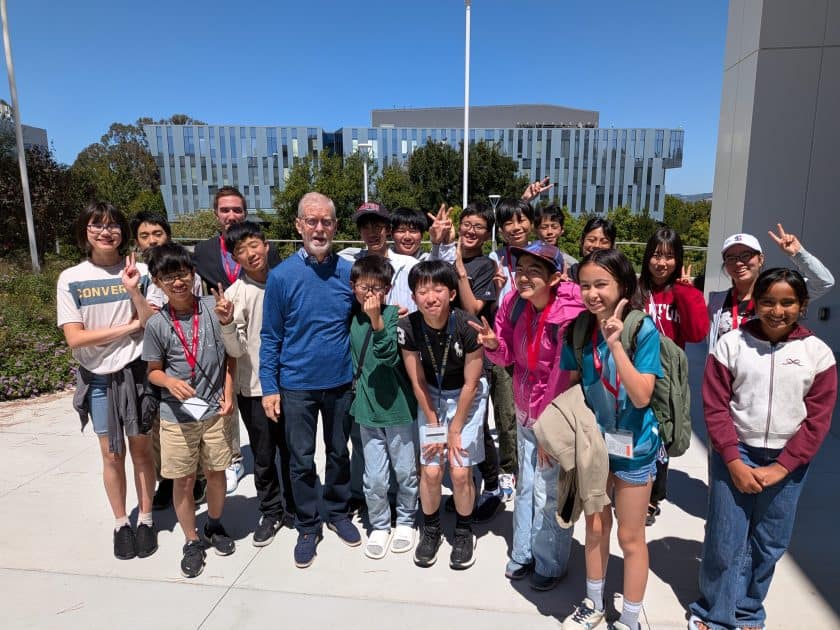
10日目のスタートです。サンフランシスコ・ベイエリア、カリフォルニア州立大学イーストベイ校は今日も穏やかな一日となりました。
本日は、スタンフォード大学のパブリックスピーキングの授業、午後のプレゼンテーション準備、そして夕方には知的財産専門の弁護士によるゲストレクチャーと、しっかり学ぶ一日です。
【午前のクラス:パブリックスピーキング】
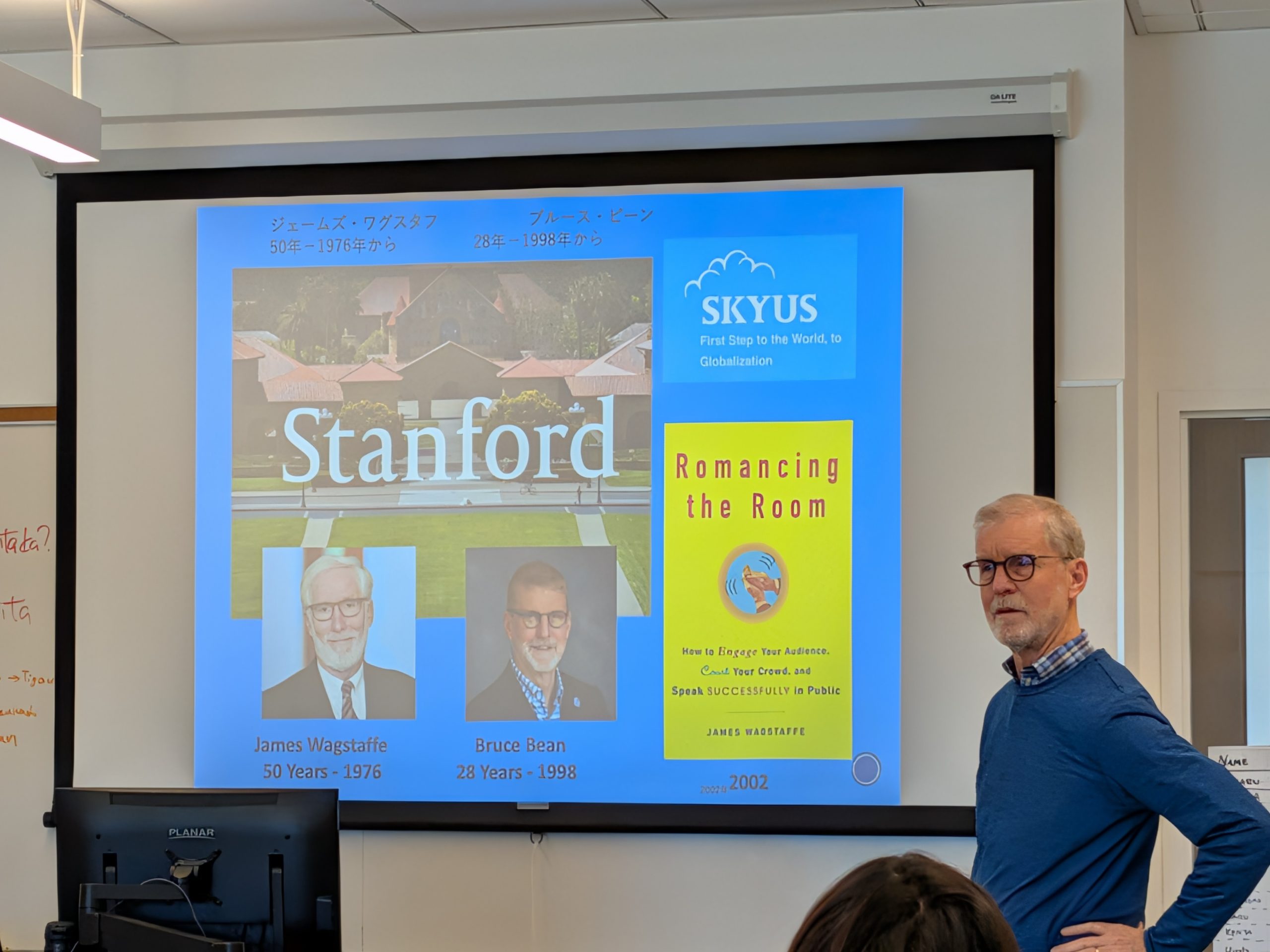
今日は、28年前からスタンフォード大学でパブリックスピーキングを教えているBean教授が来てくださいました。会話とパブリックスピーキングの違い、第一印象の大切さ、話し方の注意点、そして話の内容について、丁寧にレクチャーをしていただきました。
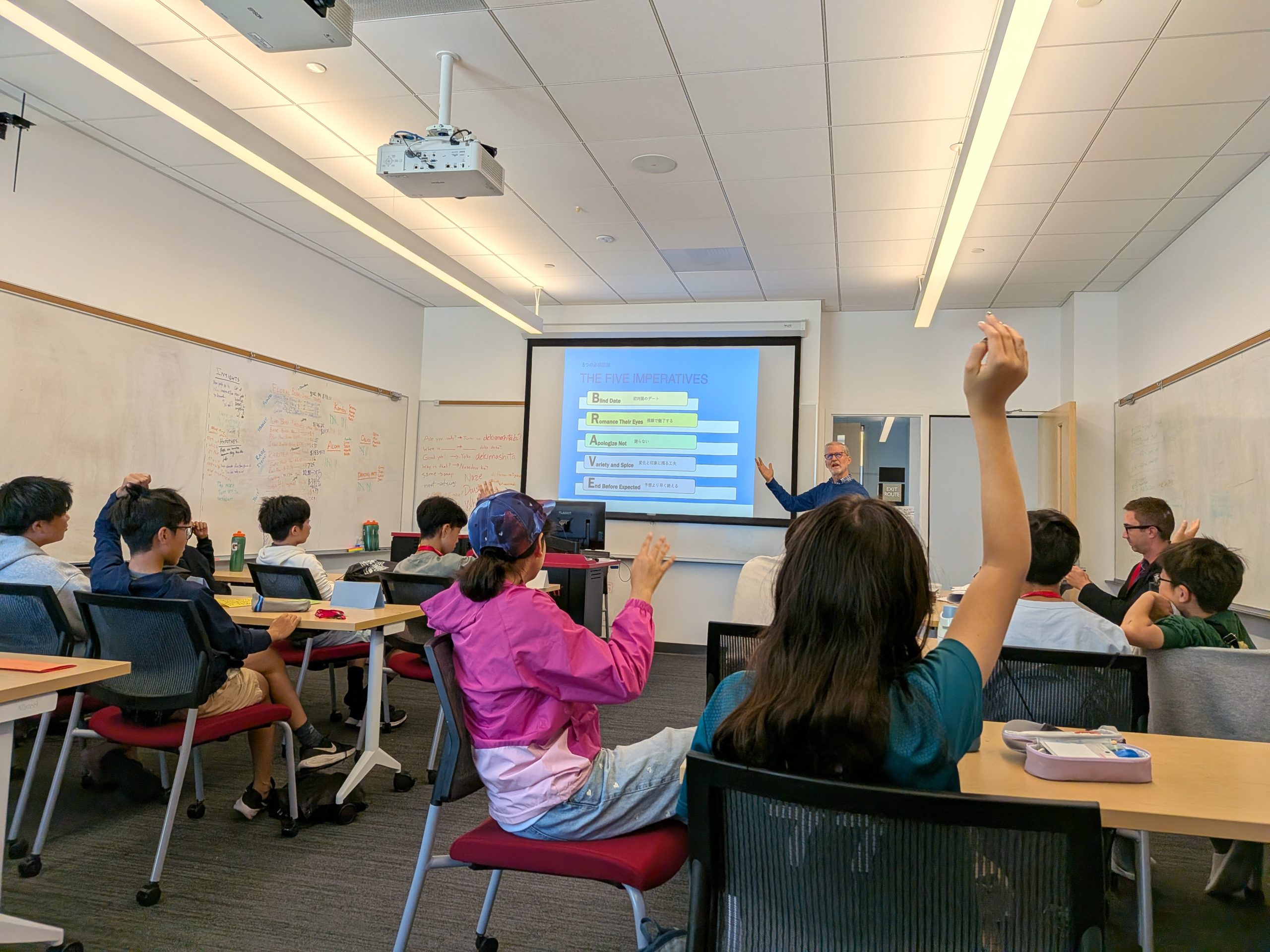
これらのポイントを意識して、まずはペアになり、お互いにインタビューをして相手を紹介する30秒のスピーチを練習しました。聞いている他の生徒が、良かった点や改善点を指摘していきます。その後、Bean先生から改善点のアドバイスをいただきました。
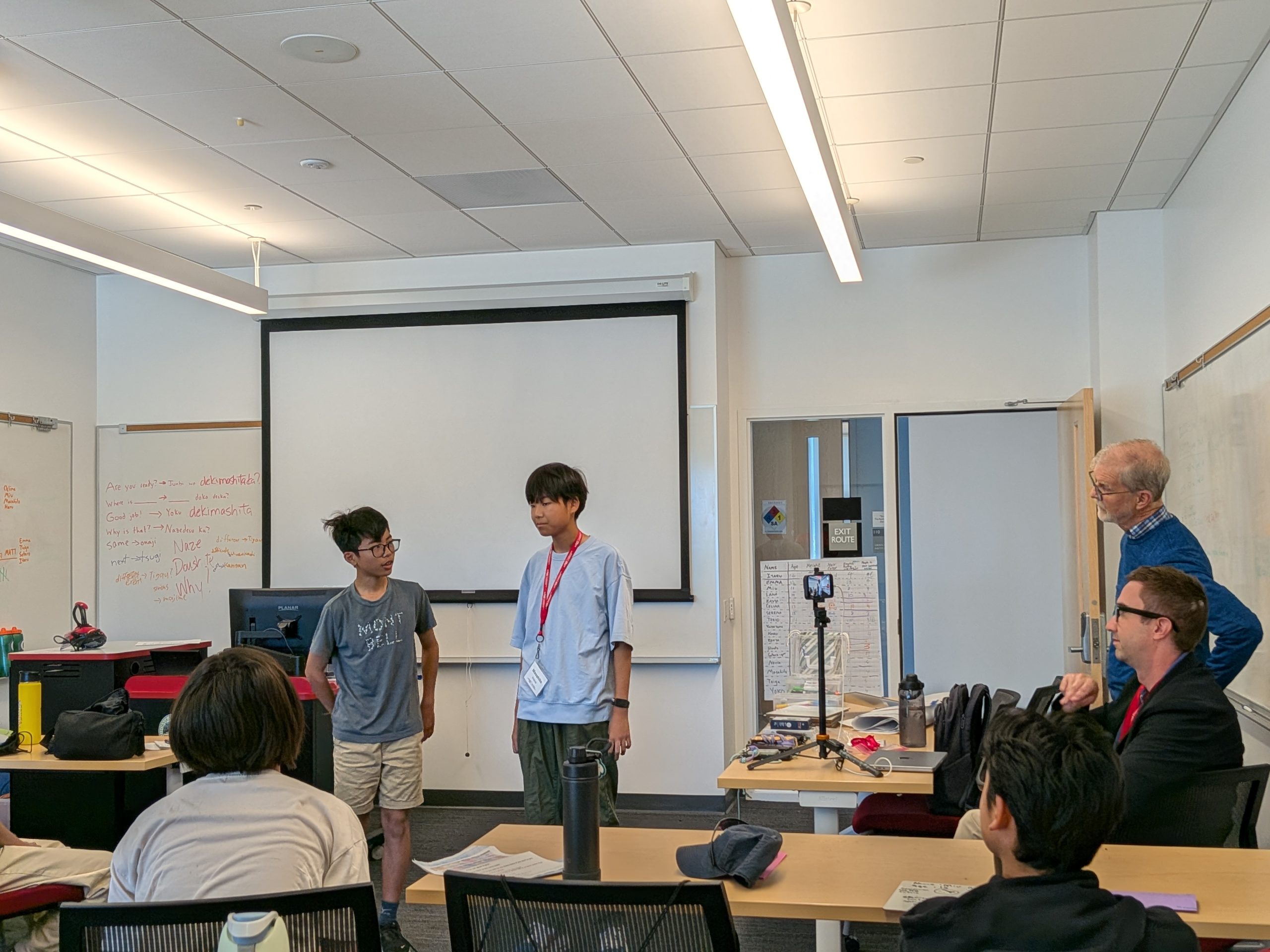
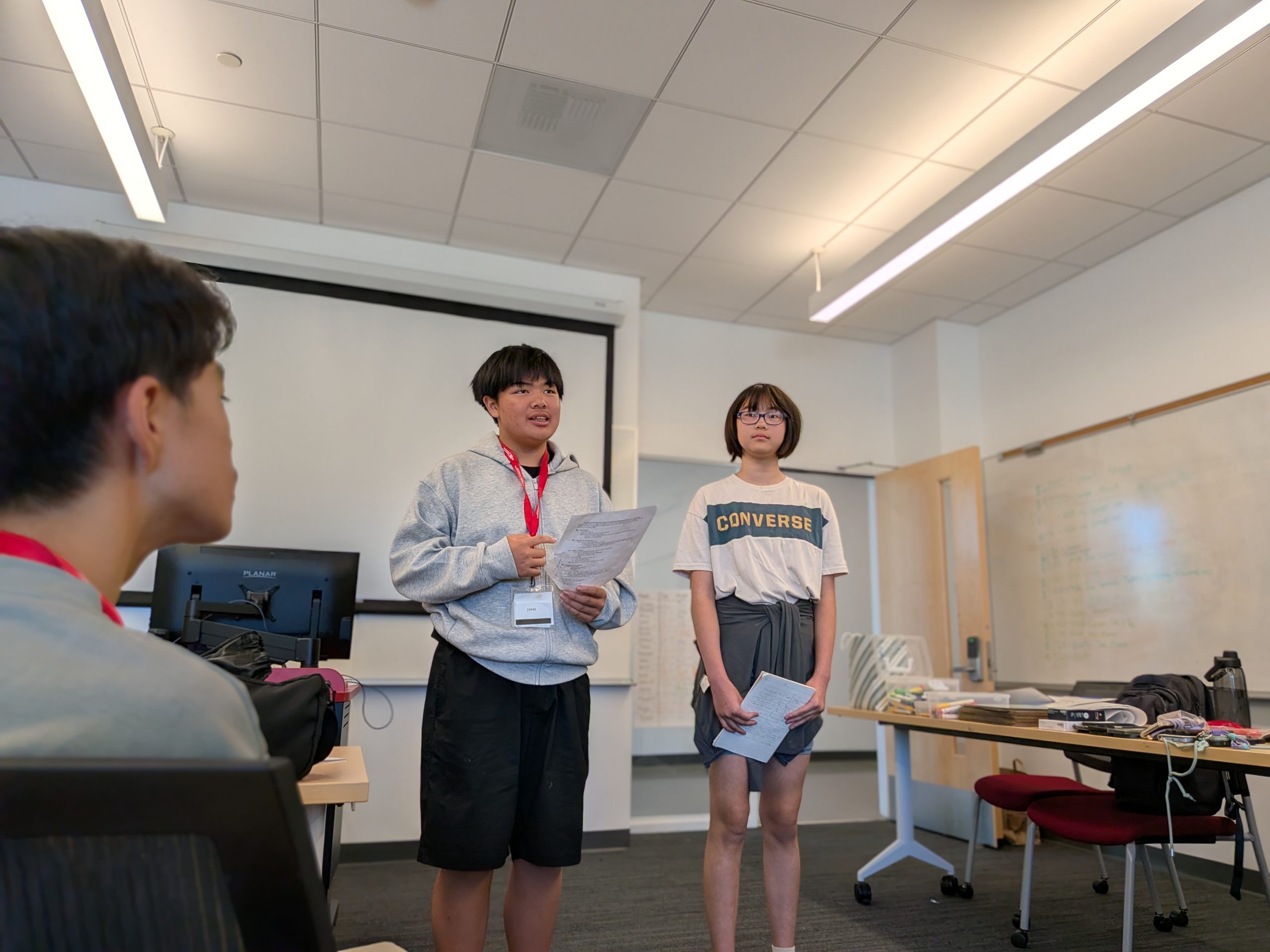
次は一人ずつ、自分のユニークな体験を話しました。
テーマは「Storytelling(ストーリーテリング)」。ストーリーがあることで、聴衆は話をより覚えやすくなるそうです。
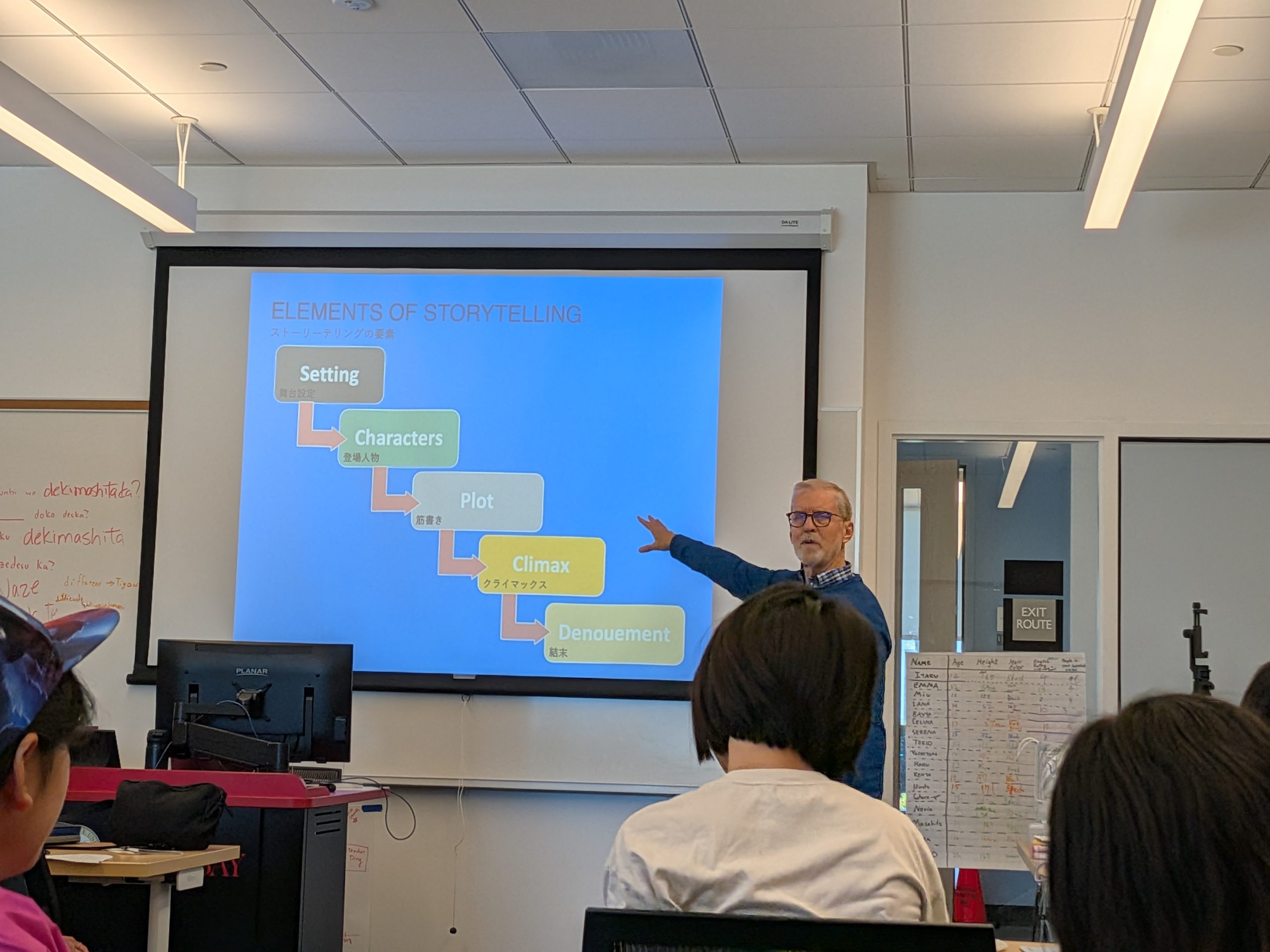
ストーリーテリングの要素として、
Setting(設定)、Characters(登場人物)、Plot(筋書き)、Climax(山場)、Denouement(結末)の流れで話すことを教わりました。
この流れに沿って、生徒たちは自分自身のストーリーを考えました。このサマーキャンプ中に起きたハプニング、家族旅行中にスーツケースがなくなったこと、スポーツの試合中に起こった出来事などを、それぞれ3分以内で話しました。
最初の他己紹介と比べて、アドバイスを意識して行った2回目のスピーチでは、全員が格段に上達していました。
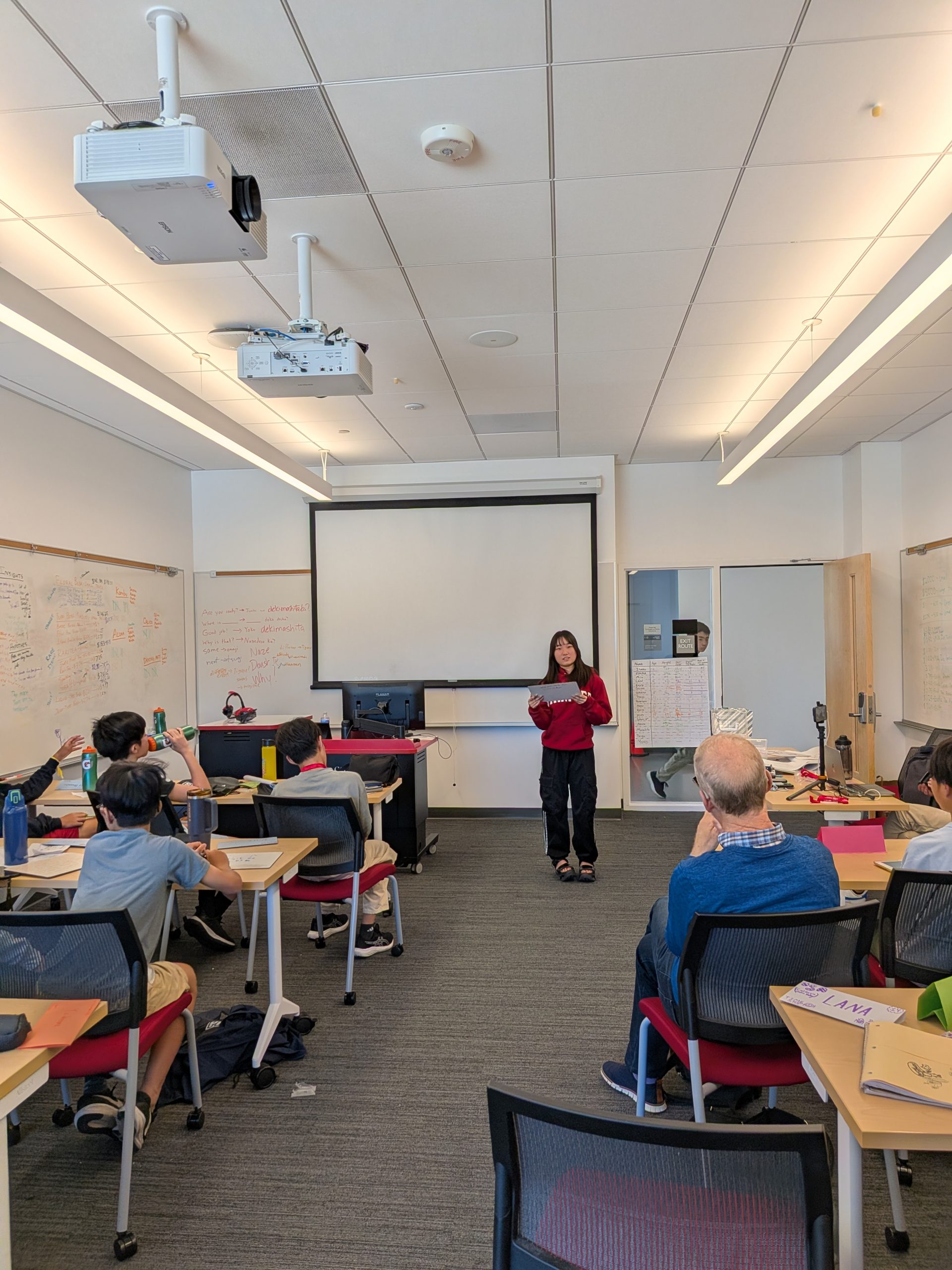
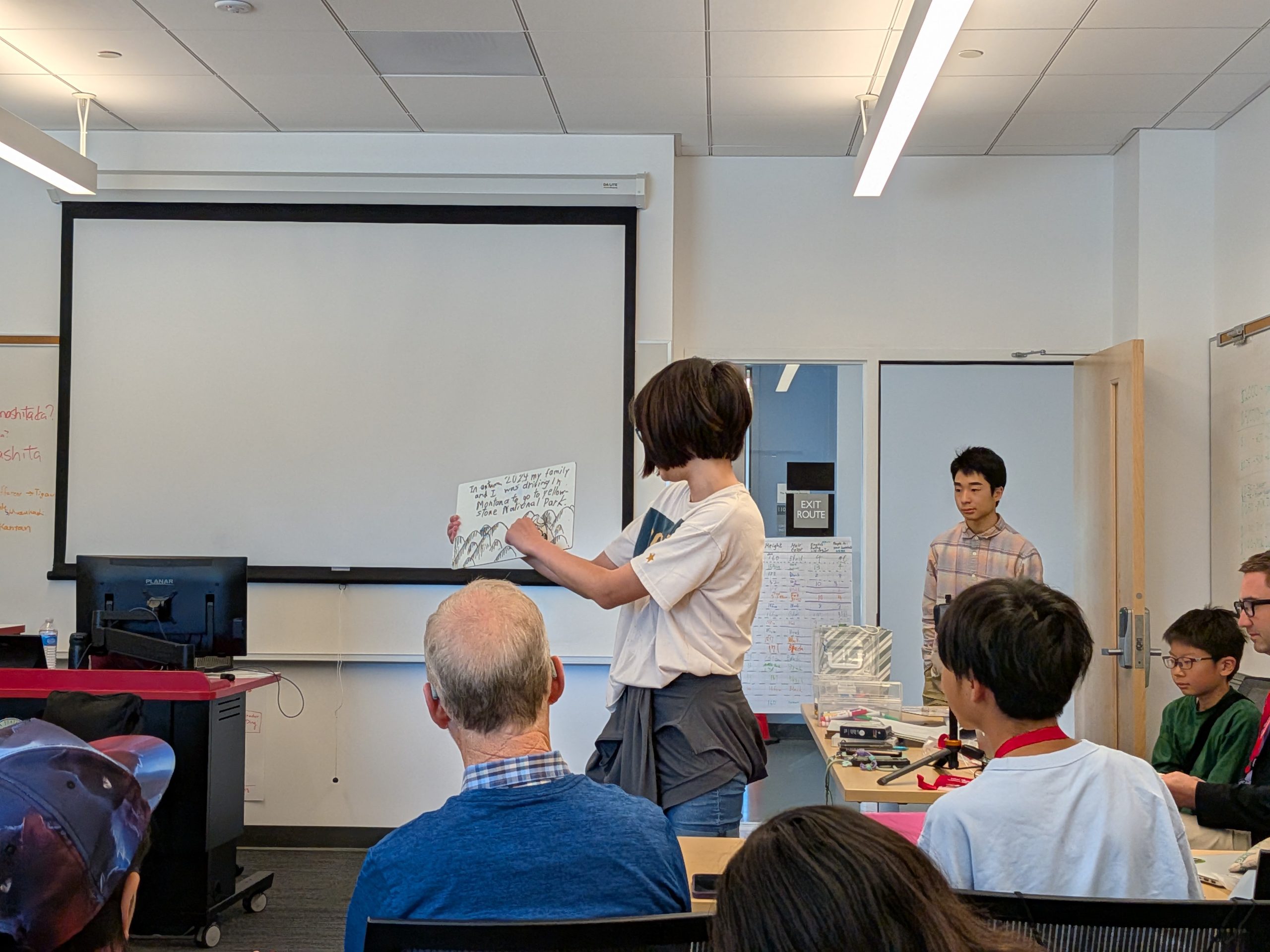
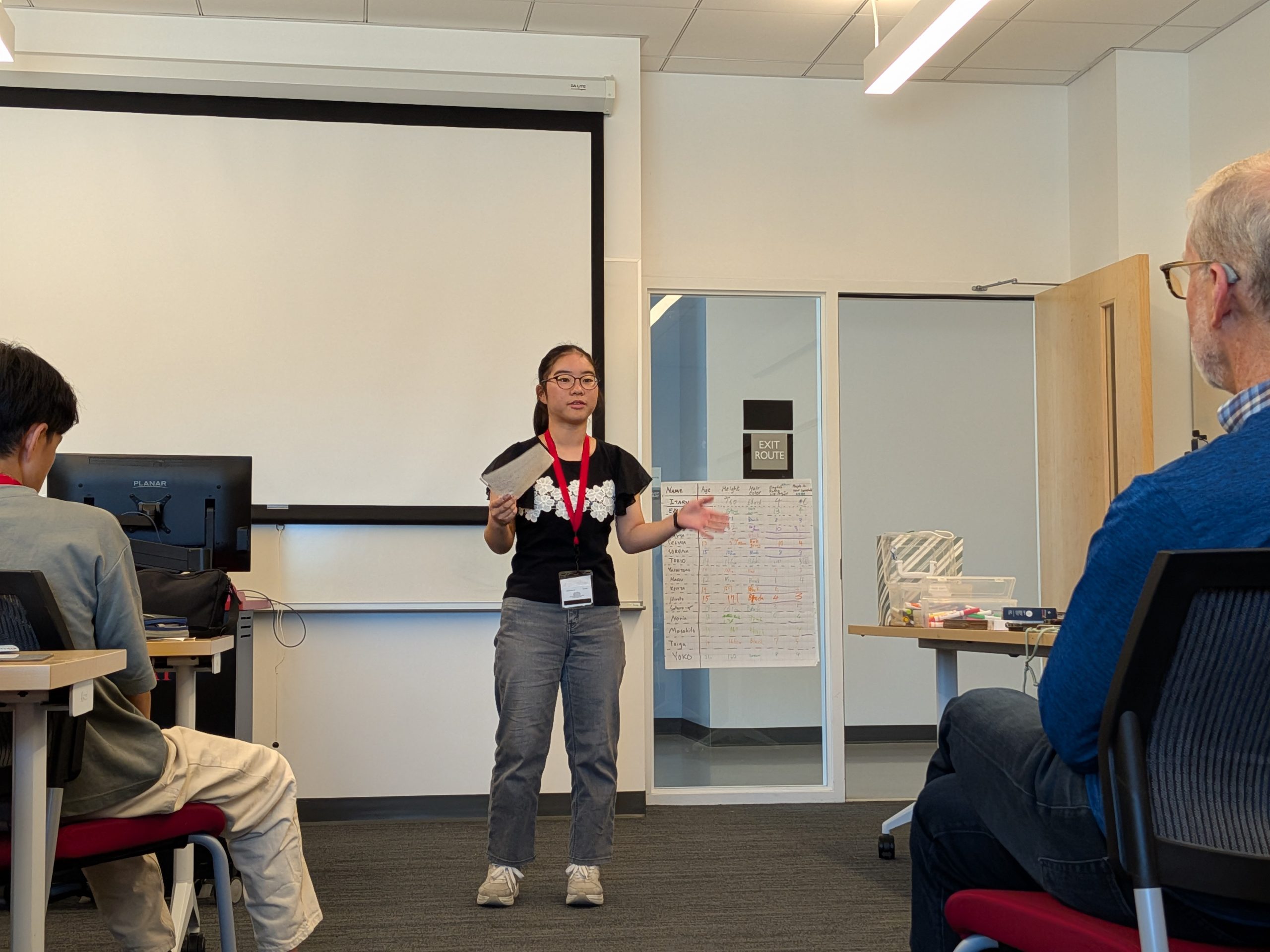
Bruce先生からは、アクションが多かった生徒に「パフォーマンスとストーリーテリングは違う」との指摘があり、立ち姿勢、動き方、手の動き、アイコンタクト、声の大きさ、抑揚についても丁寧なアドバイスをいただきました。生徒たちはその都度改善しながら、何度もやり直しました。
私たち大人にとっても大変ためになる授業でした。
さすがスタンフォード大学で長年スピーチ専門の教授として活躍されている方で、子どもたちが飽きずにしっかり聞いて実践できる授業構成となっていました。
この時間だけで、みんなのスピーチが格段によくなったことを感じ、驚きと感動を味わいました。明日のプレゼンテーションにとても活かせる内容だったと思います。
「パブリックスピーキングを学ぶと人生の役に立つ」とおっしゃっていたのが、とても印象的で、私自身も実践していこうと思いました。
【午後:プレゼンテーション準備】
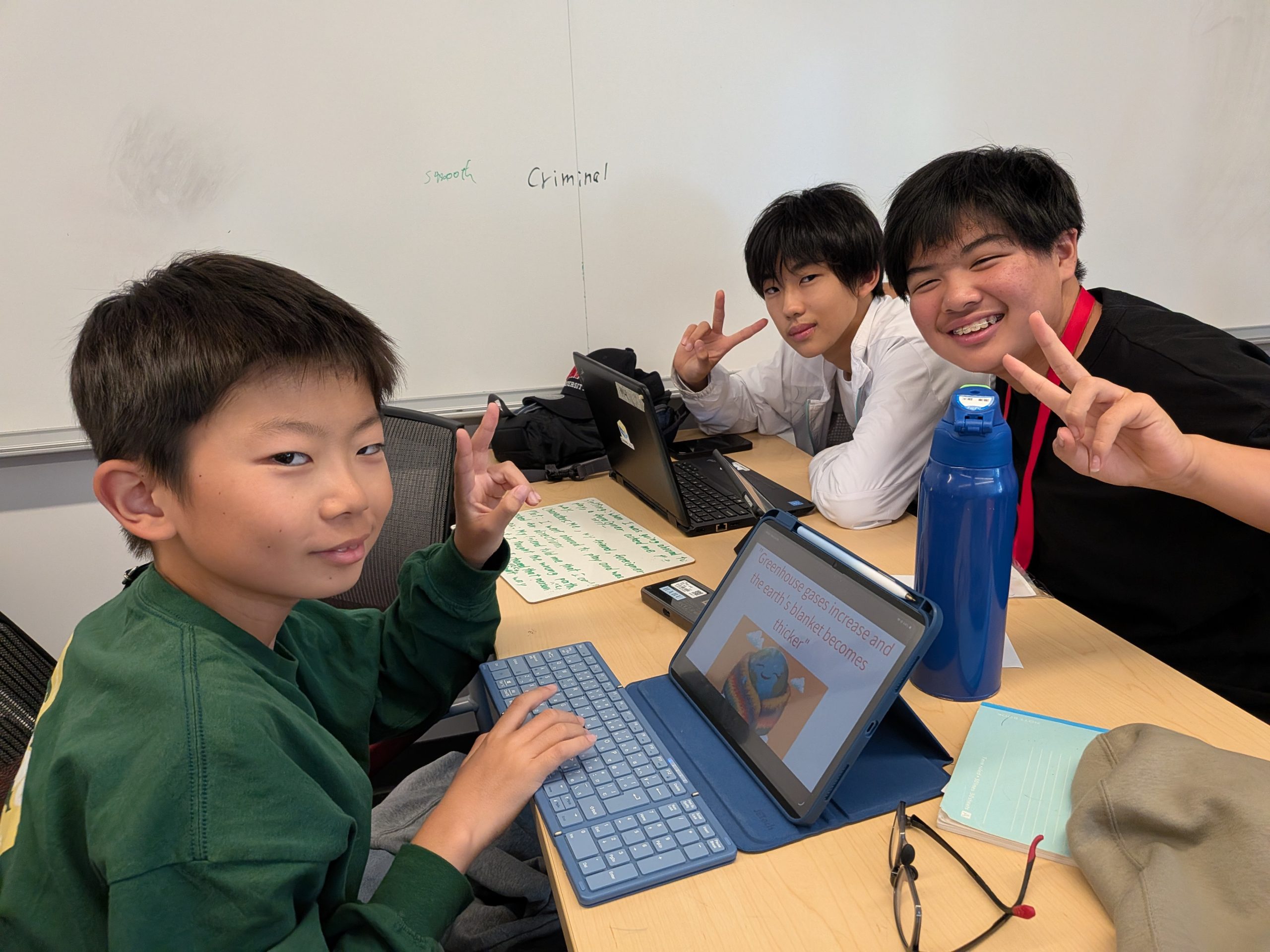
午後は、いよいよプレゼンテーションの準備を本格的に進めました。エリック先生やマット先生に質問をしたり、アドバイスをもらったりしながら、自分が取り組むテーマを決め、その課題を解決するためのビジネスアイデアを考えます。
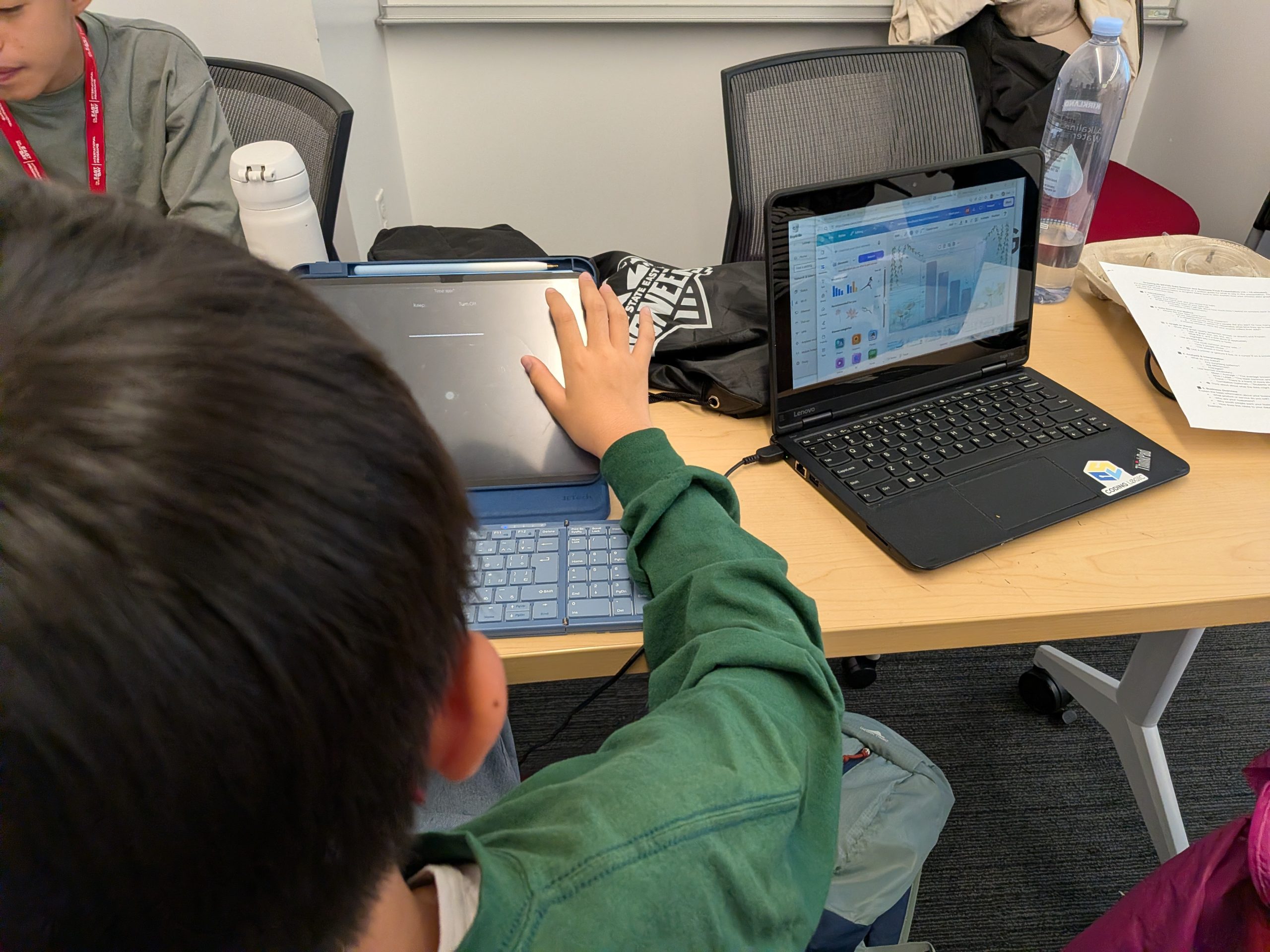
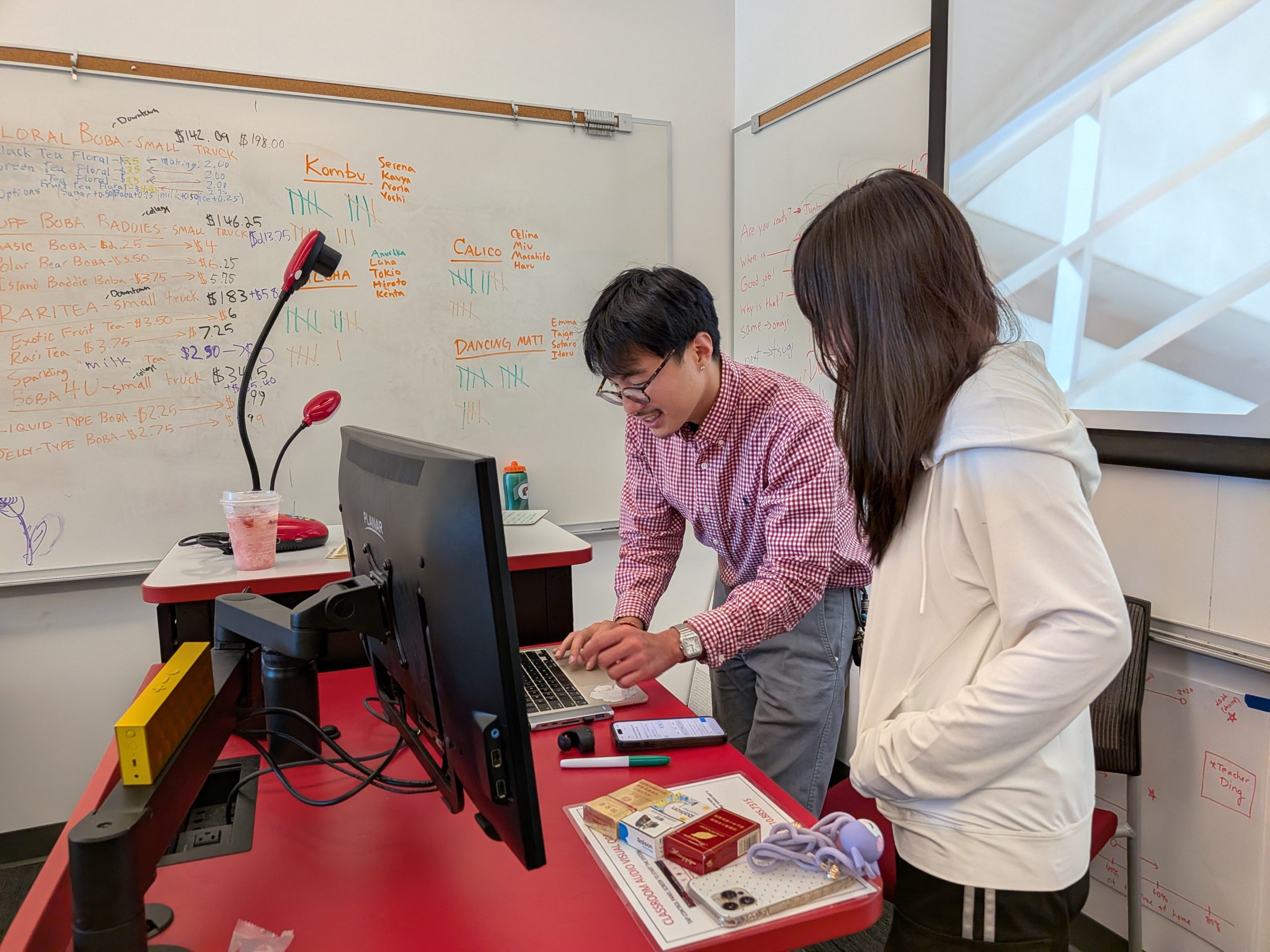
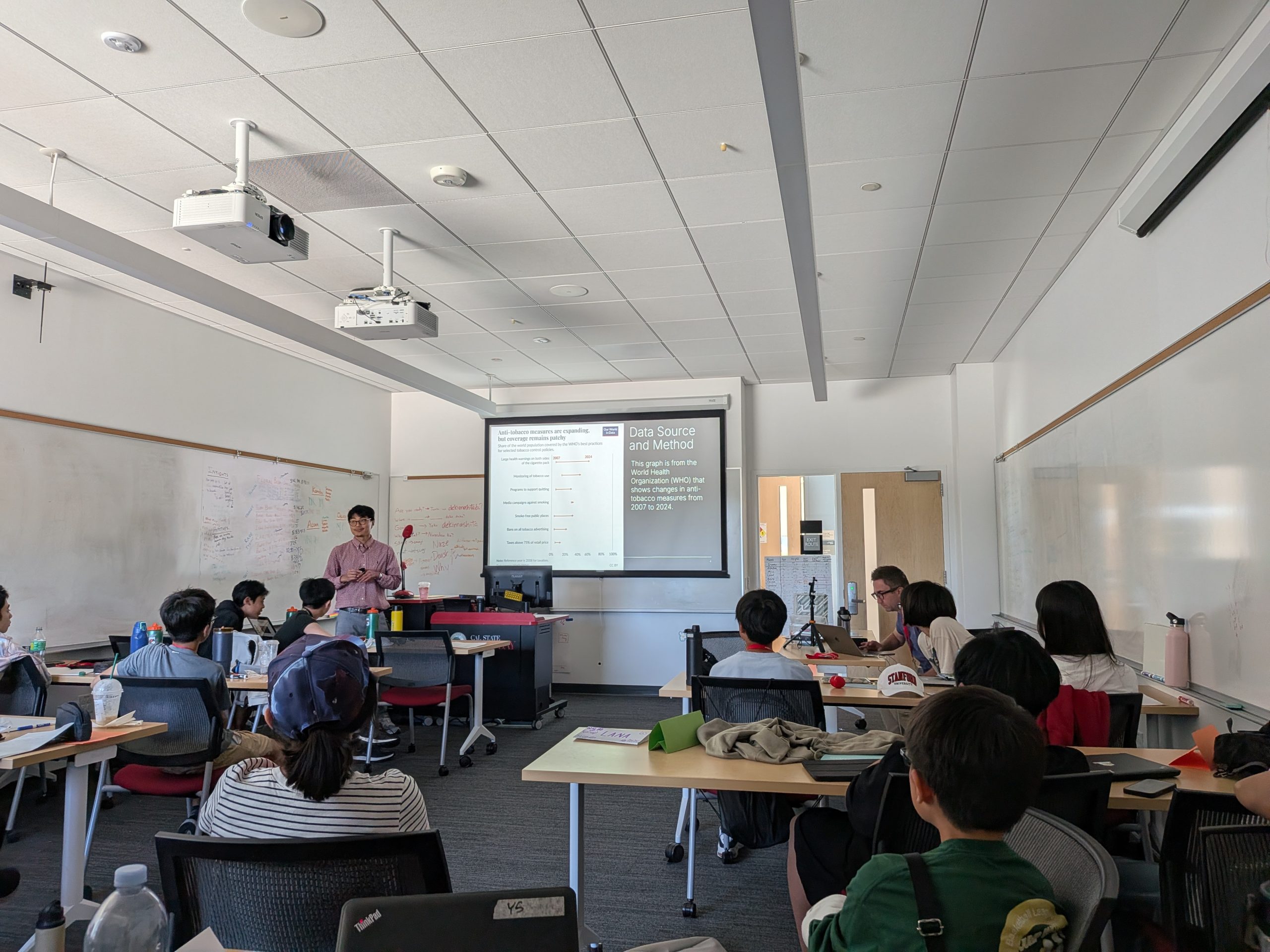
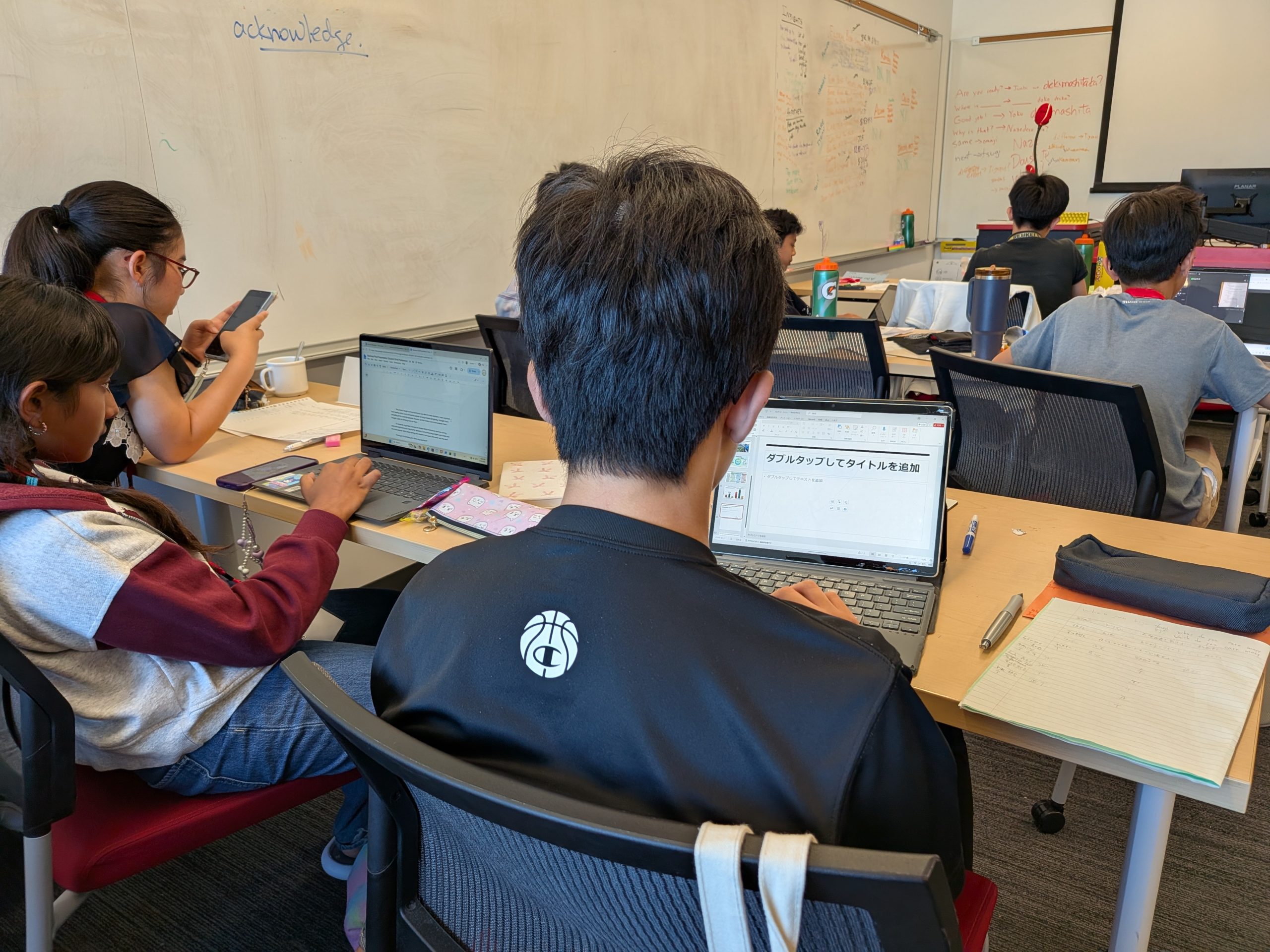
プレゼンテーションに盛り込む内容としては、
データのソースとデータ収集方法、グラフ、分析・考察、ビジネスの概要と商品またはサービス紹介、ビジネスプランと戦略、そして個人的な感想とまとめという流れで作ることが指示されています。
GIQで学んできたデータ思考を、いよいよ形にしていきます。
【夕方のゲストレクチャー:知的財産の弁護士】
夕方には、知的財産や特許を専門とする弁護士のジョー先生がゲストに来てくださいました。ジョー先生はもともとソフトウェアエンジニアでしたが、その後弁護士の資格を取得し、法律事務所での勤務を経て、現在は電気自動車メーカー「Rivian」のインハウス弁護士として活躍されています。
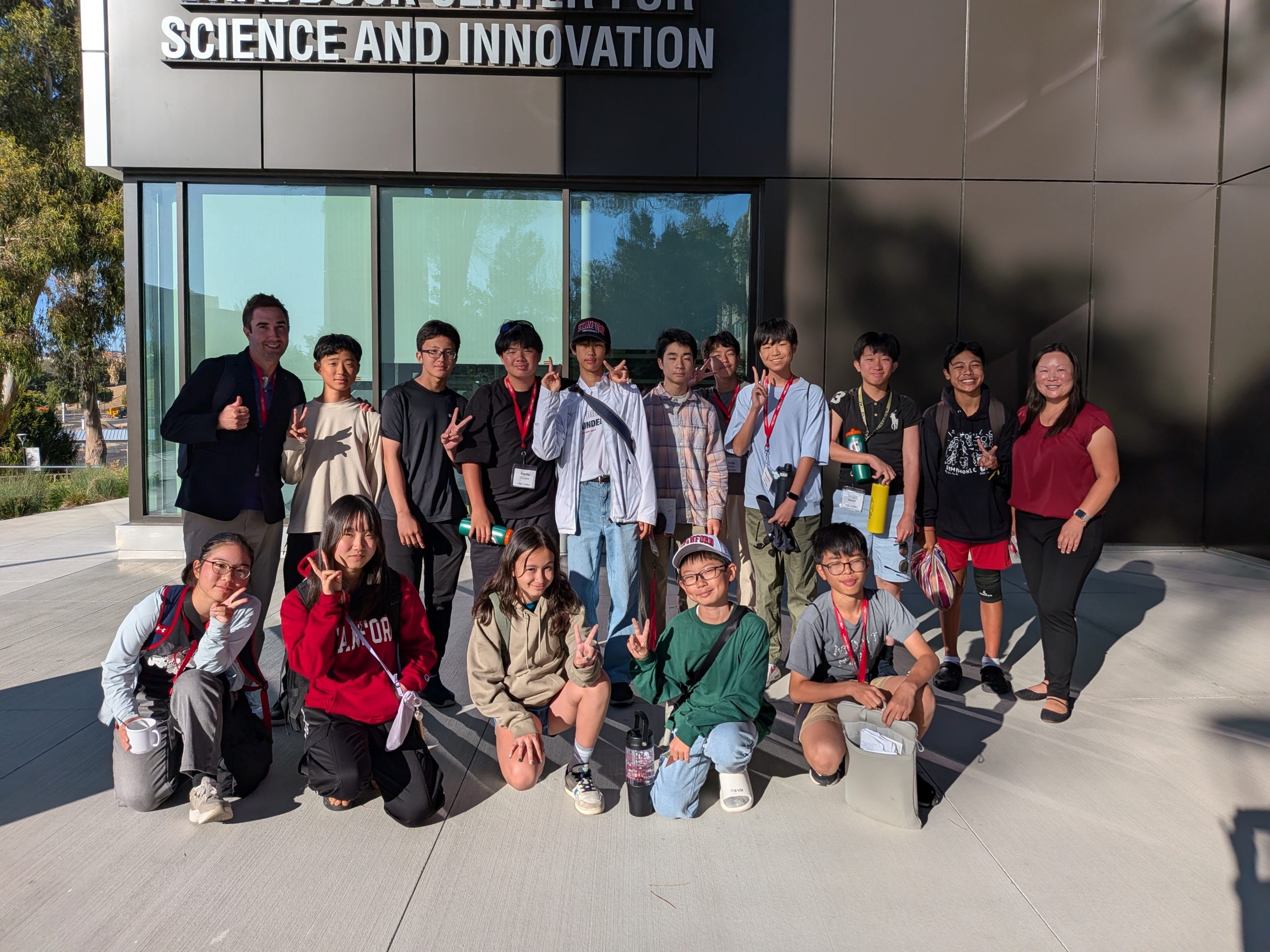
法律事務所時代には日本で働いていたこともあり、パナソニックを担当されたほか、FacebookのVRゴーグルなどの法務も担当されたそうです。
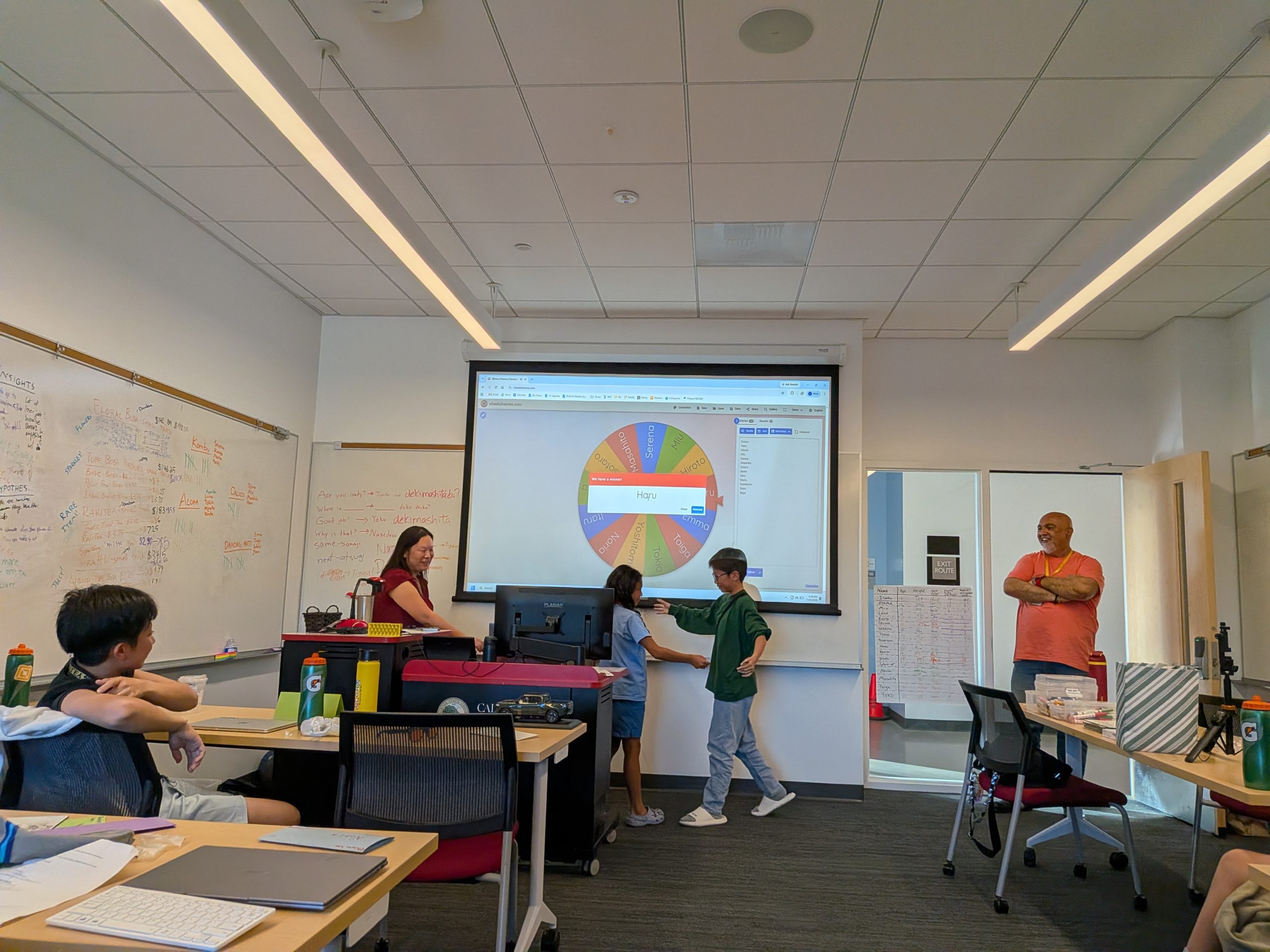
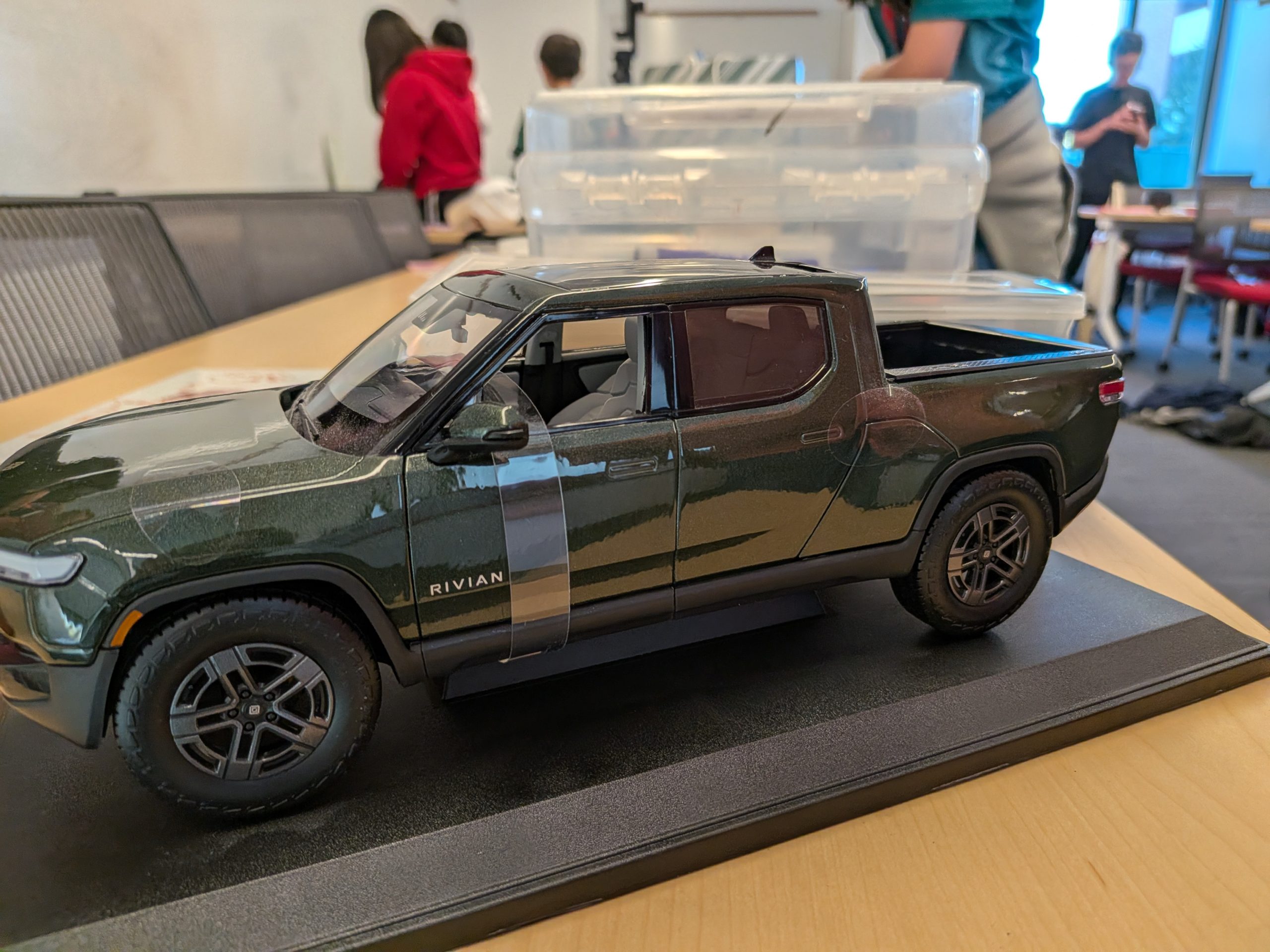
授業では、さまざまな種類の知的財産権(Intellectual Property)についてお話しいただきました。
発明品を守るための特許、コカ・コーラのレシピのような企業秘密、企業のロゴなどの商標登録(Netflixの効果音も商標なのだそうです)、音楽や映像の著作権など、身近な例を交えての説明でした。
アメリカが訴訟の国であることは有名ですが、たくさんの新しいビジネスや商品が生まれる国だからこそ、企業の発明や商品、アイデアを守るために、この専門の弁護士が非常に大きな役割を果たしていることがよくわかりました。
【夜:プレゼンテーションの追い込み】
今日はナイトアクティビティはなく、引き続きプレゼンテーションの準備を進めました。みんなでおしゃべりしたり相談したりしながら、和やかに作業を進めます。翻訳はOKですが、アイデアを考える部分はAI禁止というルールで、それぞれ自分の頭でしっかり考えていました。
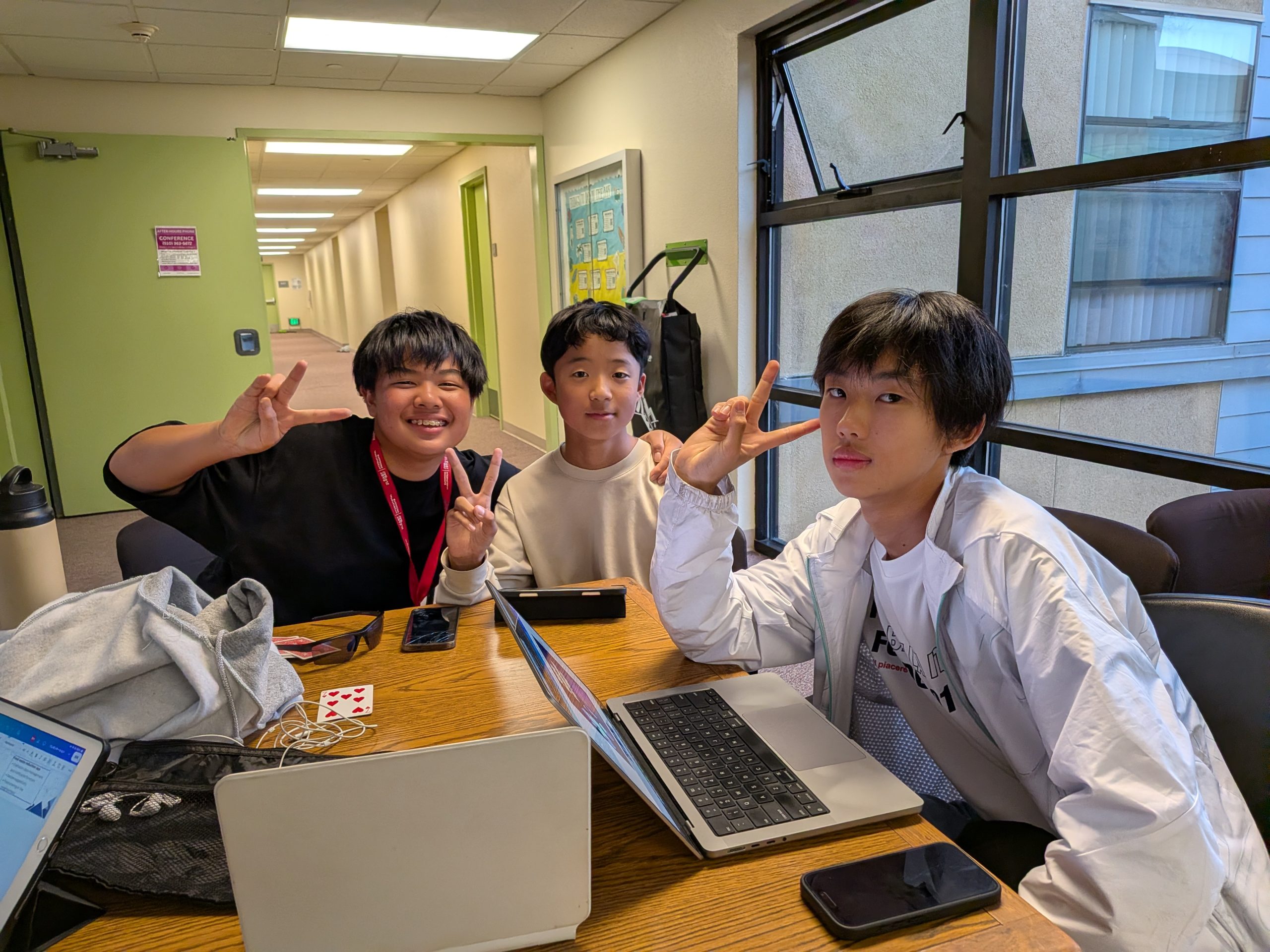
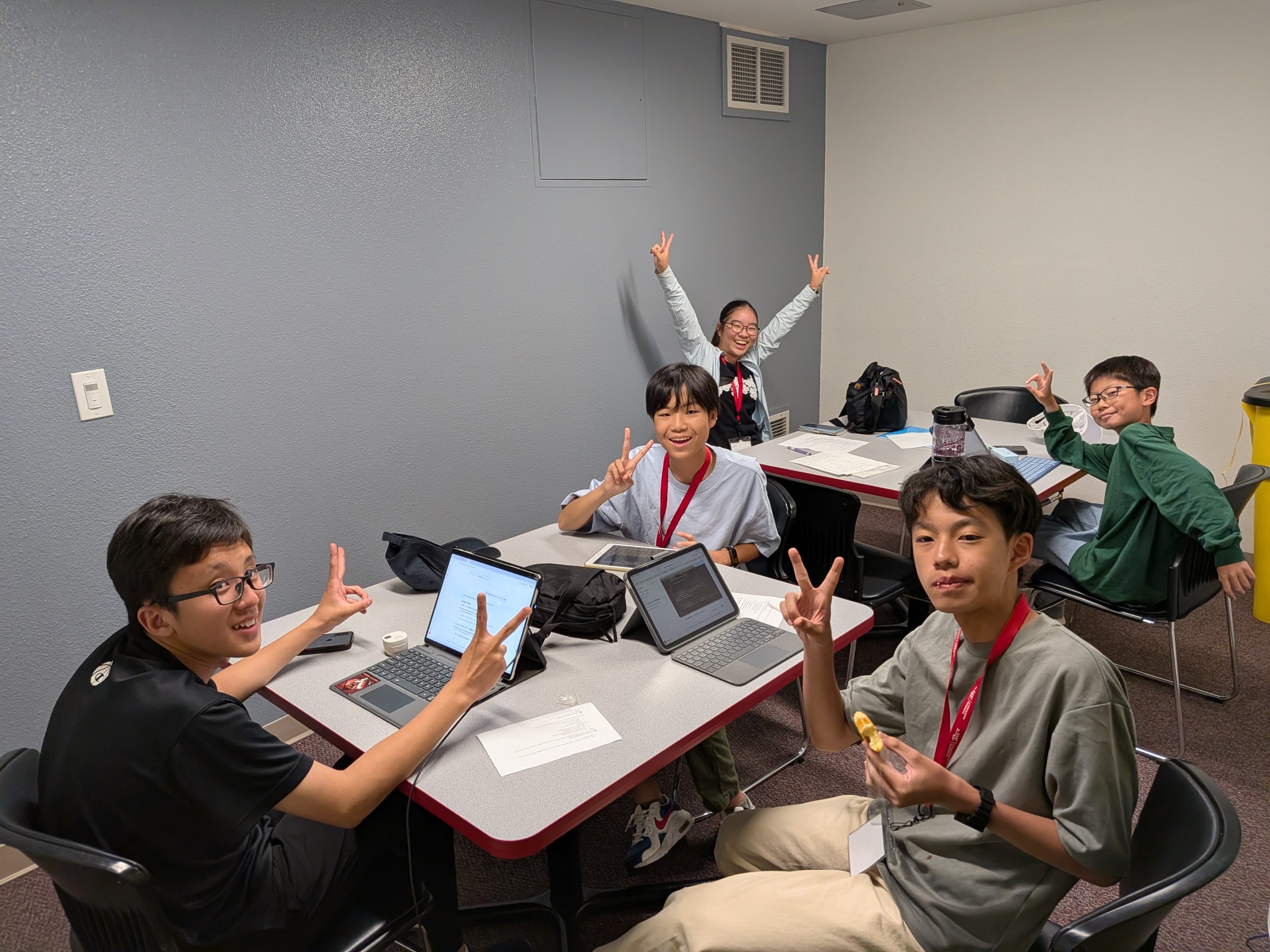
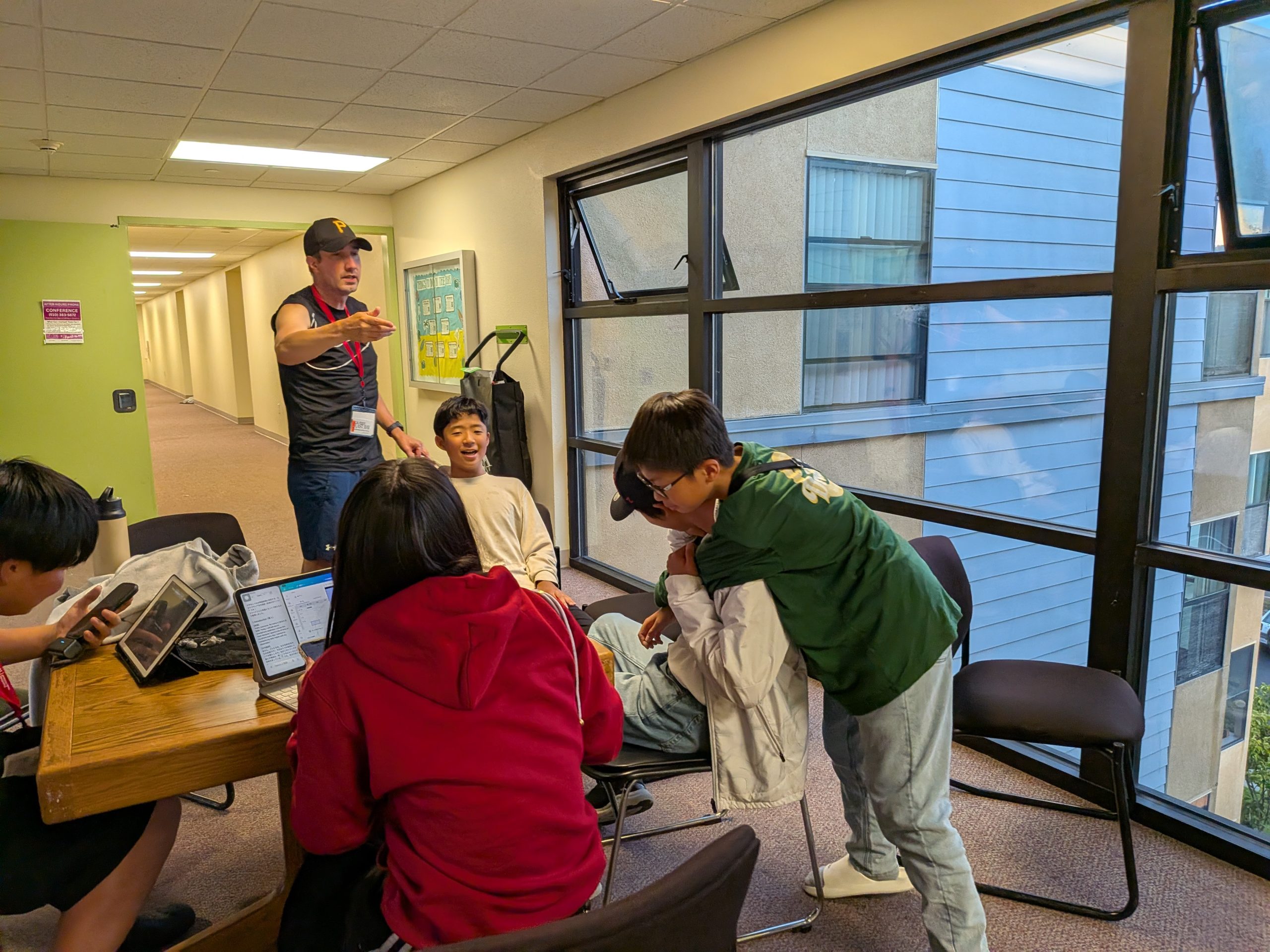
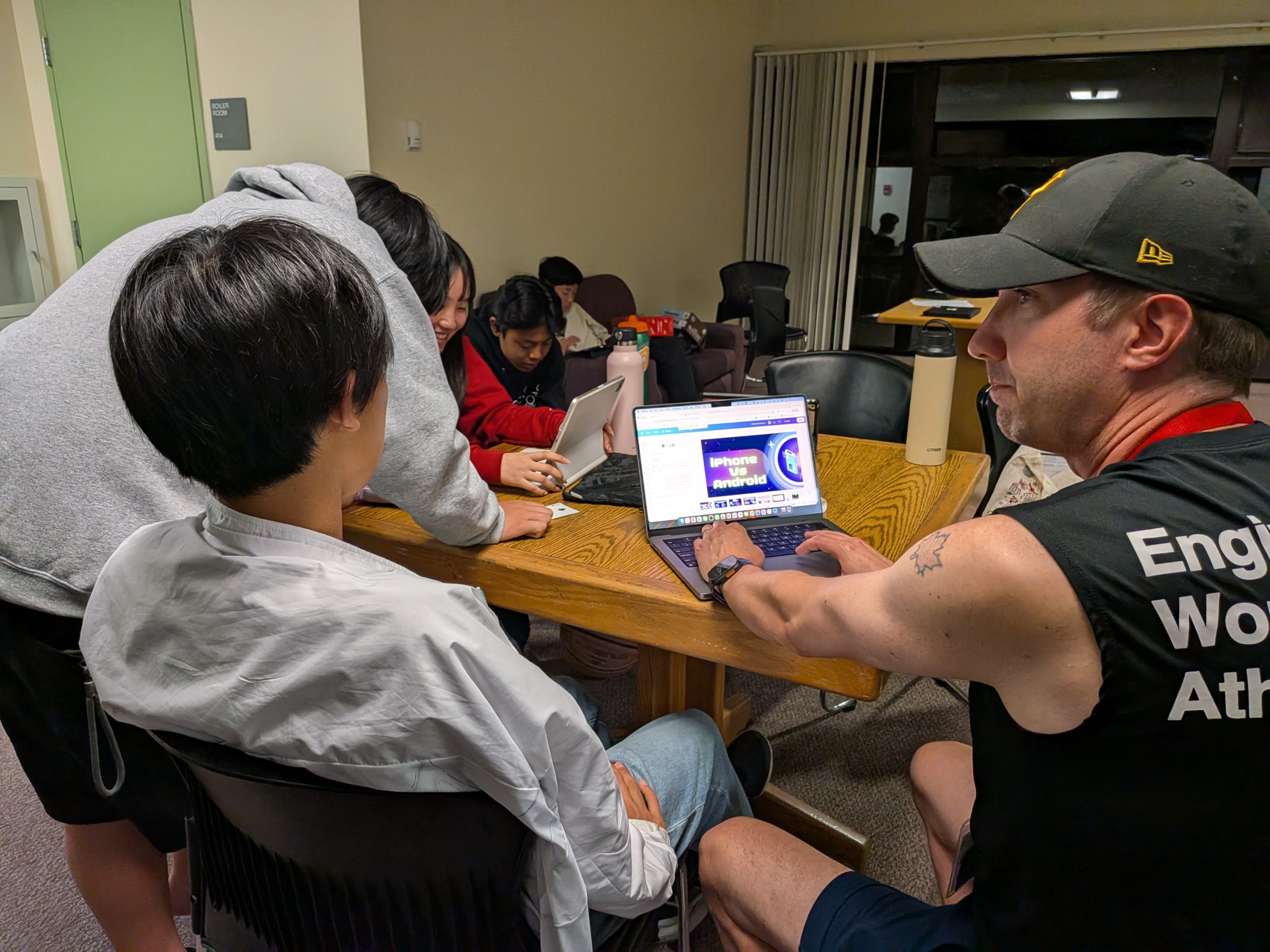
1日を通して、生徒たちはとても元気に過ごしていました。Bean先生の指導のもと、たった数時間でスピーチが見違えるほど上達し、子どもたちの成長を間近で感じられた一日でした。
体調を崩す子もなく、明日の最終プレゼンに向けて意欲的に取り組んでいます。
さぁ、明日はいよいよ最終日です。これまでの集大成となるプレゼンテーションを、みんながどのように見せてくれるのか、今からとても楽しみです。
~明日の予定~
9:00 プレゼンテーション準備と練習(早ければプレゼンテーション開始)
12:30 ランチタイム
13:30 ファイナルプレゼンテーション
17:00 修了式
18:00 フェアウェルディナー
21:00 就寝準備
22:30 消灯
【よくある質問】
Q. パブリックスピーキングの授業は英語が苦手でもついていけましたか?
A. スタンフォード大学のBean先生は、子どもたちが飽きずに実践できる構成で授業を進めてくださいました。ペアでのインタビューや短いスピーチから段階的に取り組んだため、全員がしっかり参加でき、2回目のスピーチでは全員が格段に上達しました。
Q. プレゼンテーションの準備でAIは使ってよいのですか?
A. 翻訳のためのAI利用はOKですが、アイデアを考える部分についてはAIの使用を禁止しています。テーマ設定やビジネスアイデアは、生徒それぞれが自分の頭でしっかり考えることを大切にしています。
Q. GIQキャンプでは子どもたちの安全や見守りはどのように行われていますか?
A. 授業や企業訪問、寮での生活を通して、常にスタッフが同行し子どもたちの体調や様子を見守っています。本日も体調を崩す生徒はなく、みんな元気に一日を過ごしました。
GIQ Silicon Valley Summer Camp – Day 10
Day 10 begins. Here in Hayward, in the San Francisco Bay Area, the campus of California State University, East Bay enjoyed another calm day. Today was full of activities: a public speaking class taught by a Stanford University professor, afternoon presentation preparation, and an evening guest lecture from an intellectual property lawyer.
Morning Class: Public Speaking
Today we welcomed Professor Bruce, who has taught public speaking at Stanford University for 28 years. He gave a careful lecture covering the difference between conversation and public speaking, the importance of first impressions, points to watch in how we speak, and the content of a talk.
Keeping these points in mind, the students first paired up, interviewed one another, and practiced a 30-second speech introducing their partner. Another student then shared what went well and what could be improved, and Professor Bruce offered his own advice.
Next, each student told a unique personal story. The theme was “Storytelling”: having a story makes it easier for the audience to remember your talk. The students learned the elements of storytelling — Setting, Characters, Plot, Climax, and Denouement.
Following this structure, the students created their own stories — a mishap during camp, a lost suitcase on a family trip, something that happened during a sports match — each told in under three minutes. Compared with the first partner introductions, everyone had improved remarkably in their second, advice-informed speech.
Professor Bruce reminded a student who used many gestures that performance and storytelling are not the same, and gave detailed guidance on posture, movement, hand gestures, eye contact, volume, and intonation. The students revised and tried again each time.
It was truly valuable even for us adults. As one would expect from a longtime Stanford speech professor, the class was structured so the children stayed engaged and practiced throughout. In just this one session, everyone’s speaking improved dramatically. His words, “Learning public speaking will help you throughout your life,” left a strong impression on us all.
Afternoon: Presentation Preparation
In the afternoon, the students turned to preparing their presentations. Asking questions and receiving advice from Eric and Matt, they chose their own theme and developed a business idea to solve the related problem.
Their presentations were to include: data sources and collection methods, graphs, analysis and interpretation, an overview of the business and its product or service, a business plan and strategy, and finally personal reflections and a summary. This is where all the data thinking they have learned at GIQ comes together.
Evening Guest Lecture: An Intellectual Property Lawyer
In the evening, our guest was Joe, a lawyer specializing in intellectual property and patents. Joe was originally a software engineer, later earned his law qualification, worked at a law firm, and now serves as in-house counsel for the electric vehicle maker Rivian. During his law firm years he also worked in Japan, where he handled Panasonic, and he has worked on legal matters for products such as Facebook’s VR goggles.
He spoke about the various types of intellectual property: patents that protect inventions, trade secrets such as the Coca-Cola recipe, trademarks like company logos (even the Netflix sound is a trademark!), and copyrights for music and video, using familiar examples.
It is well known that the United States is a litigious country, but precisely because so many new businesses and products are born here, we came to understand what a large role these specialized lawyers play in protecting companies’ inventions, products, and ideas.
Evening: Final Push on Presentations
There was no night activity today, so the students continued preparing their presentations. They worked in a relaxed atmosphere, chatting and consulting with one another. Translation tools were allowed, but AI was not permitted for the idea-generating parts, so each student thought carefully with their own mind.
Throughout the day the students were full of energy. Under Professor Bruce’s guidance, their speaking improved dramatically in just a few hours, and it was a day when we could witness their growth up close. No one fell ill, and everyone is working eagerly toward tomorrow’s final presentation.
Tomorrow is the final day. We look forward to seeing how everyone showcases the culmination of all their hard work.